Envision you're running a critical production line, and all of a sudden your flow meter starts drifting. It's reviewing reduced, and you're uncertain if it's an obstruction, a used sensing unit, or simply time for a check-up. Waiting days to send out that tool off-site for solution can cost you big in downtime. That's where onsite calibration is available in-- a much faster, smarter means to keep your process running efficiently.
What Is Onsite Calibration?
Onsite calibration indicates bringing the licensed equipment and proficiency directly to your facility rather than shipping gadgets back to a lab. Instead of detaching pipes or halting operations for a bench check, technicians adjust instruments-- stress evaluates, temperature probes, torque wrenches and more-- in position. It's a type of instrument calibration created to lessen disruption and make certain dimensions remain trusted.
Why Onsite Calibration Matters
When a sensing unit drifts out of resistance, it can influence product quality, security and conformity. A EML Calibration mechanical calibration dampness analyzer that reviews high can waste energy drying out product needlessly. A miscalibrated hardness tester could allow scrap components slip with. Addressing these issues right away maintains points on the right track.
Minimizing Downtime
Downtime is greater than an inconvenience-- it's actual money. Photo an oil handling plant where stress sensors start showing inconsistent readings. As opposed to closing down for a week to send evaluates off-site, onsite calibration teams get here with portable requirements. They confirm and readjust readings, so manufacturing resumes in hours, not days.
Maintaining Safety and Compliance
In markets like aerospace or pharmaceuticals, policies require specific analyses. Nondestructive examination tools frequently depend on adjusted sensors to detect cracks or bit contamination. An onsite see ensures that your equipment meets audit criteria without the headache of logistics.
Secret Instruments for Onsite Calibration
- Circulation meter Pressure scale Temperature sensing unit Wetness analyzer Hardness tester Torque wrench and torque wrenches Fragment counter
Best Practices for Effective Onsite Calibration
Adjusting instruments in the area requires careful planning and clear documentation. Comply with these standards to get one of the most from your following go to:
1. Prep work
Gather historic data on each tool's performance. Testimonial previous calibration records to spot fads-- maybe that flow meter wanders a lot more when system pressure climbs up above 50 psi. Ensure the calibration team has access to vital locations which any kind of dangerous energy resources are shut out. A tidy, organized workspace helps them work effectively.
2. Using Traceable Standards
Accurate onsite calibration depends on mobile requirements that link back to nationwide or worldwide references. Whether adjusting a torque wrench or validating a solidity tester, technicians utilize calibrated master evaluates and certified blocks to guarantee every analysis traces back to a recognized requirement.
3. Adjusting Under Real Conditions
One of the benefits of onsite job is checking instruments at real operating temperatures and stress. A temperature sensor could behave in a different way at ambient laboratory degrees than it performs in a warm stove or heavy steam line. By calibrating under real-world conditions, you catch the entire photo.
4. Thorough Documentation
Each calibration must include a detailed record: before-and-after analyses, ecological conditions, unpredictability values, and any type of suggestions. Excellent records help you intend the next calibration and defend your compliance during audits.
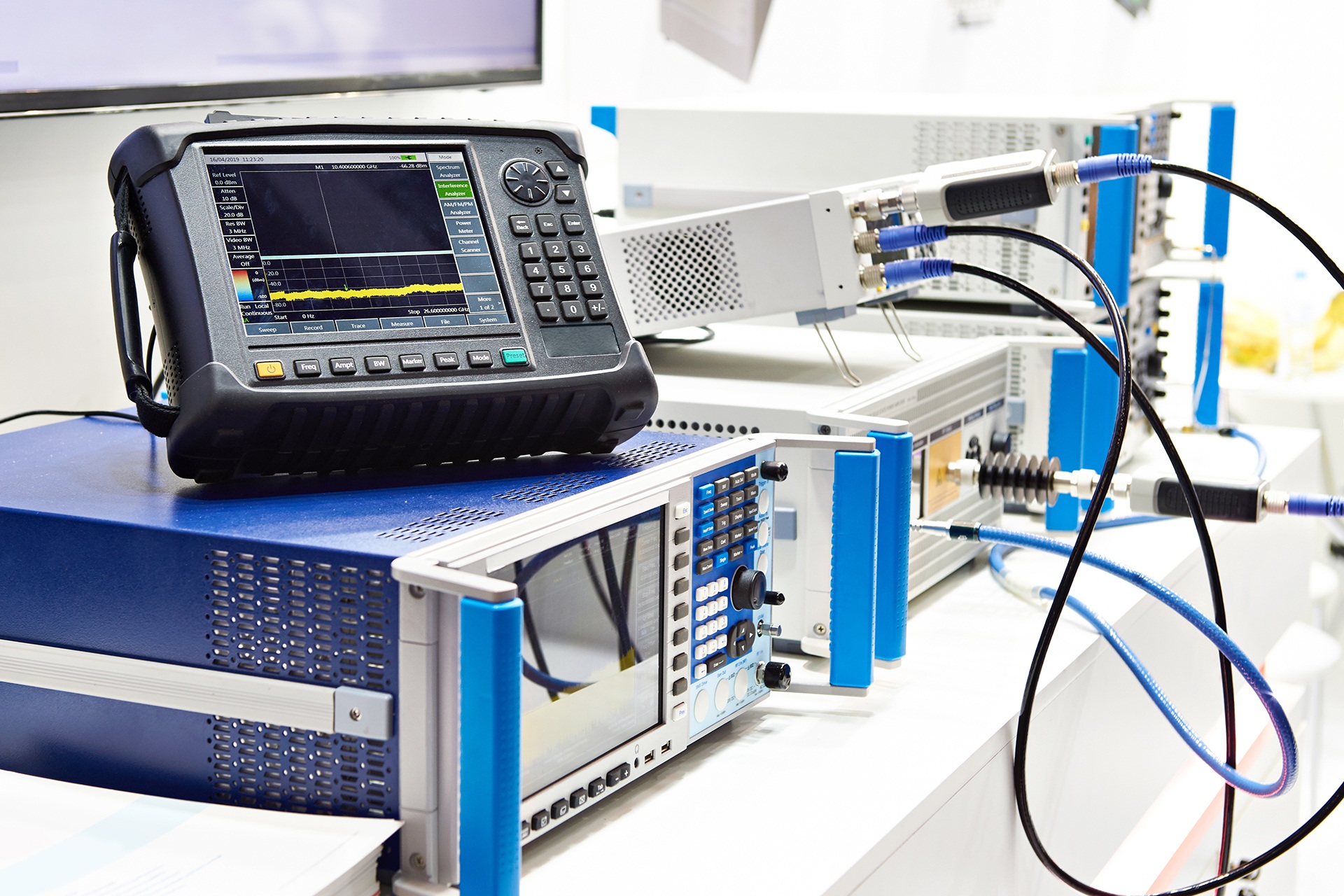
Real-World Example: Particle Counters in Clean Rooms
A semiconductor supplier saw a boost in flaw prices. Their environmental surveillance system flagged higher trust a particle counter inside a tidy space. Rather than presuming, they scheduled an onsite calibration. Technicians cleaned the inlet filters, verified the flow rate, and adjusted the photometer placement. Within a day, the counter was back in resistance, and the issue price dropped by 20%.
Choosing the Right Calibration Partner
Not all company are created equivalent. You want a team that comprehends onsite calibration your procedures-- whether it's a nondestructive density scale or a wetness analyzer in a paper mill. Search for specialists with hands-on experience, clear prices, and the capability to give fast turnaround.
For centers throughout multiple industries, EML Calibration supplies specialist onsite calibration services. Their mobile laboratories are outfitted for a wide variety of jobs, from pressure and temperature level checks to torque wrench confirmation. Next time you require to calibrate in place, consider them a reputable resource.
With the appropriate strategy to onsite calibration, you'll keep instruments accurately calibrated, minimize downtime, and preserve the quality and security your operation needs.
Name: EML Calibration
Address: 998 Elm Hill Pike, Nashville, TN 37210, United States
Phone: (888) 846-4614
Website: https://www.emlcalibration.com/